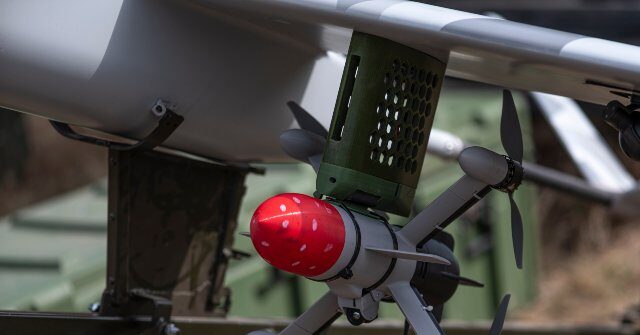
A bipartisan coalition of lawmakers introduced legislation on Friday aimed at ensuring human decisionmaking remains central to the use of lethal force by AI-enabled military systems.
Axios reports that Reps. Tom Barrett (R-MI), Don Beyer (D-VA), and Sara Jacobs (D-CA), have put forward the Human Authority over Autonomous Weapons Act. The legislation seeks to establish legal requirements for human oversight of autonomous and AI-powered weapon systems deployed by the United States military.
The proposed bill mandates that the Pentagon ensure any intentionally lethal use of an autonomous or AI-enabled weapon system must be subject to human oversight, approval, or maintain a human-in-the-loop protocol. This requirement would apply across military operations where autonomous systems might be employed for lethal purposes.
Under the legislation’s provisions, military commanders would be required to verify AI-generated targets using non-AI sources for a period of five years following the bill’s enactment. This verification requirement aims to provide a safeguard against potential errors or unintended consequences from AI target identification systems. The bill does include an exemption for missile defense systems.
The legislative effort comes as lawmakers from both political parties seek to establish legal frameworks governing the military’s use of AI, particularly as autonomous weapons systems become increasingly prevalent in modern warfare scenarios. While the Pentagon currently maintains existing policy requiring appropriate levels of human judgment over the use of force, this bill would codify human oversight requirements into federal law, making them legally binding rather than administrative policy.
The introduction of this legislation follows several notable developments in the military AI space. Earlier this year, the Pentagon’s use of AI during the raid that captured Venezuelan President Nicolás Maduro created tensions with Anthropic regarding the firm’s established boundaries concerning autonomous weapons and mass surveillance applications, ultimately leading to a legal war between the company and the Pentagon. That incident highlighted growing concerns about how AI technologies are being deployed in military contexts and the ethical considerations surrounding such use.
Adding to the momentum for legislative action, a coalition of faith leaders called on Congress in April to require meaningful human control over AI-enabled weapons systems, reflecting broader societal concerns about autonomous military technology.
In their statements supporting the legislation, the bill’s sponsors emphasized the ethical and practical imperatives behind the measure. “No machine should ever be given the power to decide to kill a human being on its own,” Beyer stated in the press release announcing the bill. Rep. Barrett emphasized the need for proactive measures, saying, “We must establish safeguards now to ensure these technologies are used ethically and transparently.”