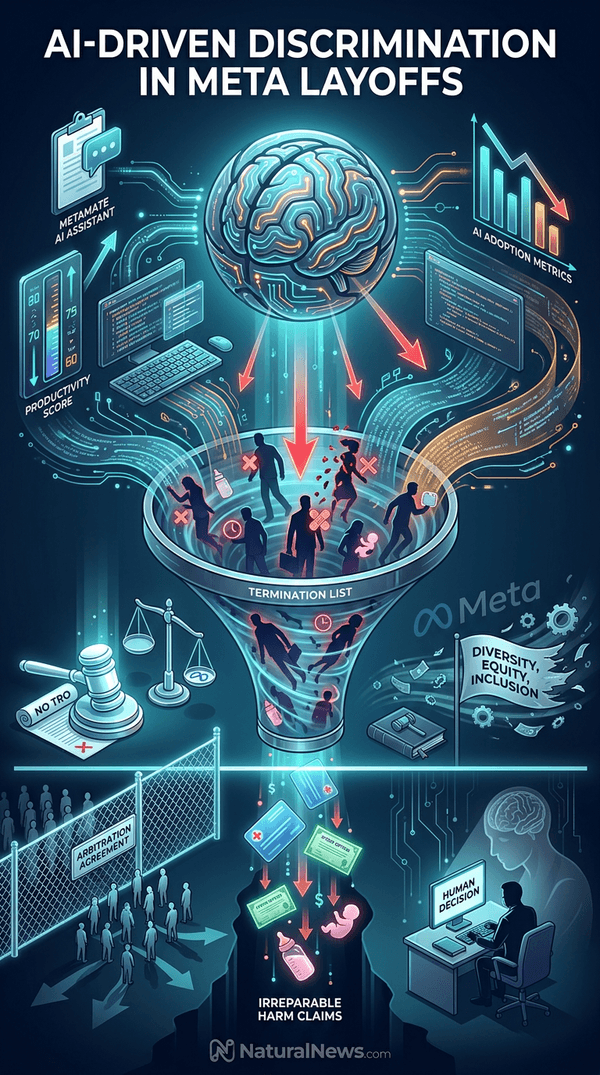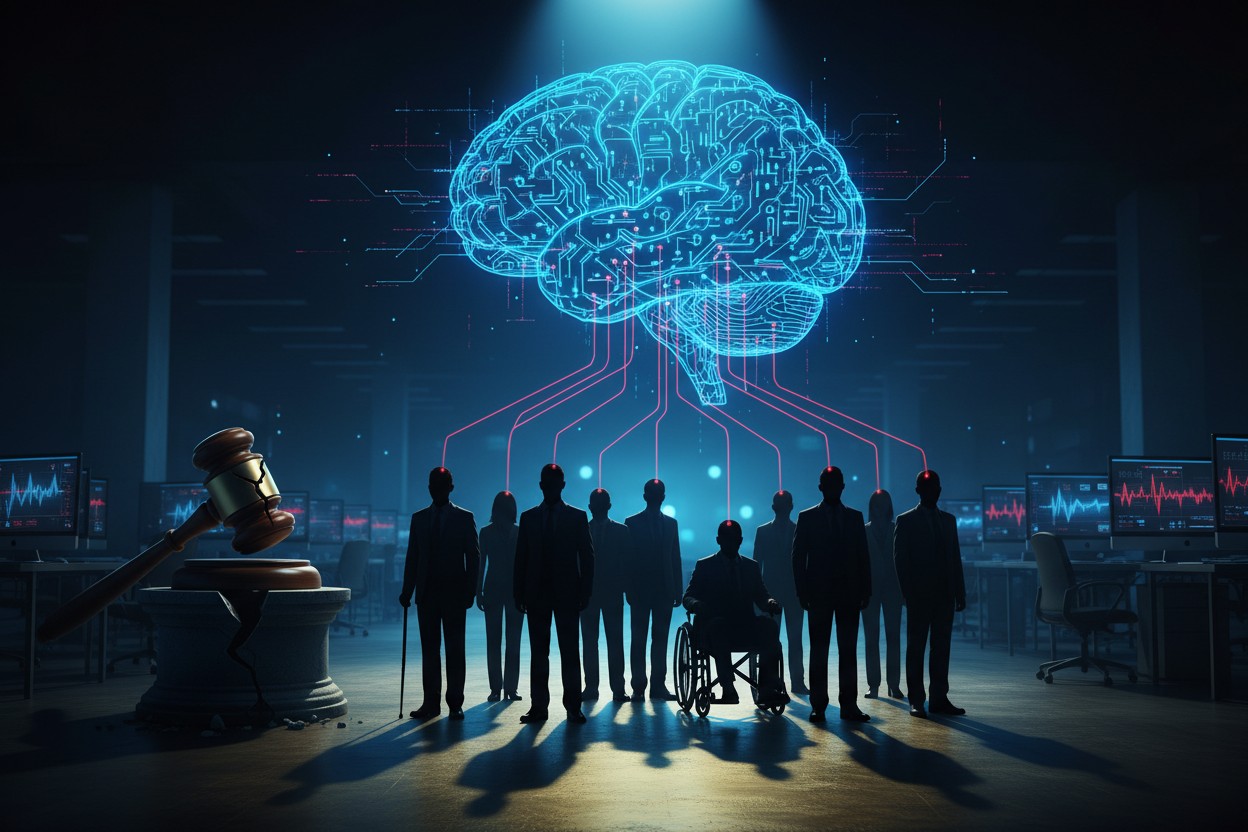
U.S. District Judge William Orrick ruled that the workers failed to demonstrate the irreparable harm required for a temporary restraining order, allowing the layoffs to proceed as scheduled on July 22. The lawsuit was filed on July 13 and claims that Meta used AI systems, including a large language model assistant known as 'Metamate,' productivity scoring tools, and AI adoption metrics to rank and select approximately 8,000 employees for termination in May 2026, according to the complaint [1][2]. The plaintiffs, who are engineers, managers, researchers and designers, say the AI tools disproportionately penalized workers who took medical leave or had disabilities, as their productivity and AI usage scores dropped during absences [1].
The 26 anonymous plaintiffs allege that Meta used a number of internal AI-assisted systems to score and rank employees on a termination list. According to the lawsuit, these systems included a 'second brain' that tracked workers' communications and documents, and a productivity score derived from scanning keystrokes, screen content, emails and browser history [2]. The plaintiffs assert that Meta did not pause these systems while employees were on vacation or legally protected leave, causing their AI adoption scores to drop and making them more likely to be selected for layoffs [1].
Meta has denied wrongdoing and stated that human managers made the termination decisions, not AI alone, according to a company spokesperson [1]. The layoffs are part of Meta's strategy to shift resources toward AI investments, a move that the plaintiffs claim is used as cover for discriminatory practices. This comes amid broader corporate changes at Meta, including the dismantling of its diversity, equity and inclusion initiatives, as reported earlier this year [3].
Judge Orrick said the workers could not meet the legal standard for a temporary restraining order, which requires a clear showing of irreparable harm not compensable by monetary damages. Plaintiffs' attorney Barbara Cowan argued that losing health insurance, stock options, and bonding time with newborns constituted irreversible losses. 'There's no do-over for bonding with a new baby or giving birth or having active medical treatment,' Cowan told the court during a hearing on Thursday, according to court filings.
Meta's attorney Erin Connell countered that workers would only lose employer-subsidized insurance, not coverage entirely, and that such losses could be compensated later if the plaintiffs prevail in arbitration [1]. Orrick noted in his order that he might reconsider the decision based on additional evidence about AI usage in the layoffs, according to a joint statement from plaintiffs' lawyers [2].