
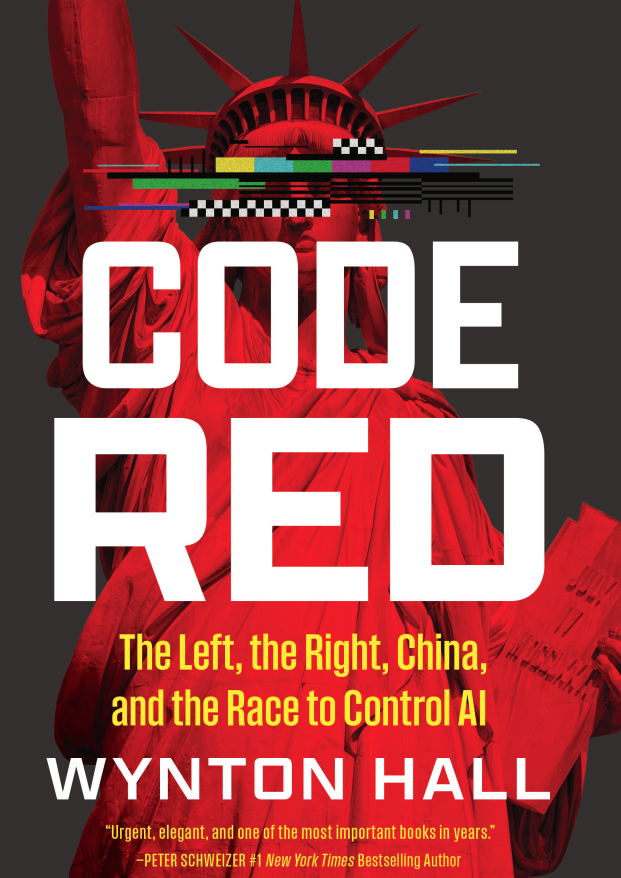
A growing number of Christian religious leaders are incorporating AI tools into their sermon writing process, sparking a contentious debate within religious communities about the appropriate boundaries for technology in spiritual leadership. AI’s reach continues to spread far beyond the economy and politics, as explained in Wynton Hall’s bestselling book CODE RED.
The Wall Street Journal reports that Pastor Darrell Stetler II of Oklahoma City represents a new generation of religious leaders embracing digital assistance in one of ministry’s most sacred tasks. On a recent Saturday afternoon, with less than a day remaining before his scheduled Sunday service, Stetler worked from a dual-monitor setup in his church’s sound booth, simultaneously managing a presentation slide deck and the AI platform ChatGPT.
The pastor of Bible Methodist Church was developing a sermon titled “Forged” as part of an extended summer series exploring the Book of Proverbs. His preparation process involved a hybrid approach, drawing from his personal study notes while consulting multiple AI chatbot applications to help shape his message.
This technological integration into sermon preparation has emerged as a divisive issue across American churches. The practice reflects broader questions about the role of AI in traditionally human-centered professions, particularly those involving spiritual guidance and religious instruction. While some religious leaders view AI tools as legitimate aids that can enhance their teaching and help manage the demanding workload of pastoral ministry, critics argue that such technology undermines the authenticity and divine inspiration expected in religious messages.
The controversy has created a growing divide within American religious communities. Supporters of AI-assisted preaching often frame these tools as modern equivalents of traditional sermon preparation aids, comparing them to concordances, commentaries, and other reference materials that pastors have used for generations. They argue that artificial intelligence simply represents a more efficient way to research, organize thoughts, and explore different perspectives on biblical texts.
However, opponents express concerns that rely on AI fundamentally changes the nature of sermon preparation. They worry that pastors using these tools may be delivering messages that lack genuine personal reflection, theological depth, and the spiritual discernment traditionally associated with religious teaching. Some critics have characterized the practice in stark terms, suggesting it represents a troubling departure from established ministry practices.