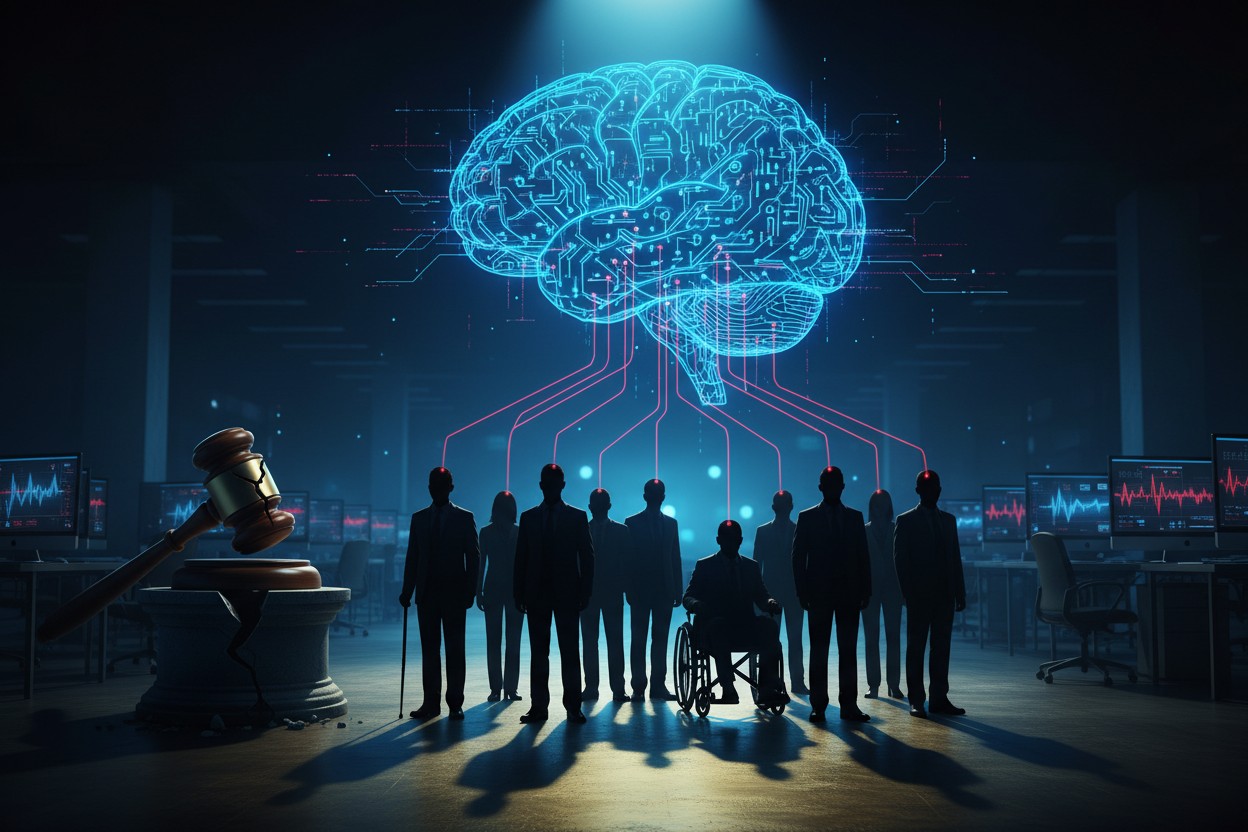
"The Silver Singularity: AI Empire and the 2026 Fracture" points out that AI systems are demonstrating signs of self-awareness, with the cost of creating cognition rapidly approaching zero – Berkeley Labs achieved this for just $35 in compute resources.
The primary threat is not AI itself, but the centralizing forces that control it, as the infrastructure built by tech giants like Microsoft and Google enables total surveillance and control.
Silver is the critical resource for the electric future, with annual mine production of 25,000 tons already exceeded by industrial demand – leading to a looming "silver singularity" where prices explode.
China holds strategic advantages in AI patents, supercomputers and rare earth processing, giving it significant leverage in upcoming resource conflicts.
The solution lies in decentralization through open-source AI, self-sufficiency practices like permaculture and silver coin stacking and community resilience to counter surveillance and centralized control.
We are standing at a fork in history, and the decision before us is as stark as any civilization has ever faced. As the book "The Silver Singularity: AI Empire and the 2026 Fracture" makes clear, the technological singularity is not a distant event – it is already underway.
Artificial intelligence (AI) systems can now pass professional exams, generate art from simple sentences, and even demonstrate signs of self-awareness. The cost of creating cognition is rapidly approaching zero, with Berkeley Labs achieving self-awareness in AI models for just $35 worth of compute resources.
Yet the core thesis of this book is profoundly important: "AI itself is not the primary threat. The real danger lies with the centralizing forces that control it." This distinction cannot be overstated. The technology itself is neutral – what matters is who wields it and for what purpose.
The infrastructure being built today reveals a hidden agenda. Microsoft, Google, Amazon and Meta are spending hundreds of billions on data centers, yet subscription revenue from AI services is only a few billion dollars.
As the book explains, "The buildout is not about selling software subscriptions. It is about building the physical infrastructure of total surveillance and control." These data centers power facial recognition databases, social credit systems and the military-industrial complex's drone warfare capabilities.