Can young Americans engage across political differences with curiosity, respect, and a genuine willingness to learn? The inaugural NextGen Roundtable: Decision 2026 offered a compelling answer: yes.
Hoover Institution (Washington, DC)—Can young Americans engage across political differences with curiosity, respect, and a genuine willingness to learn? The inaugural NextGen Roundtable: Decision 2026 offered a compelling answer: yes.
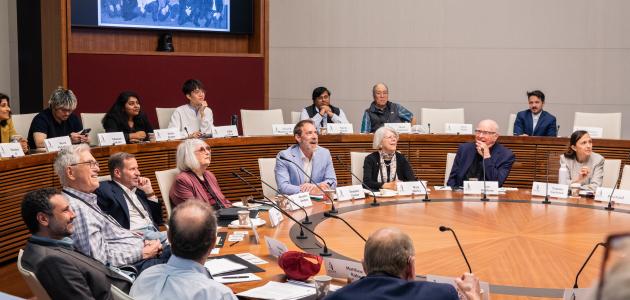
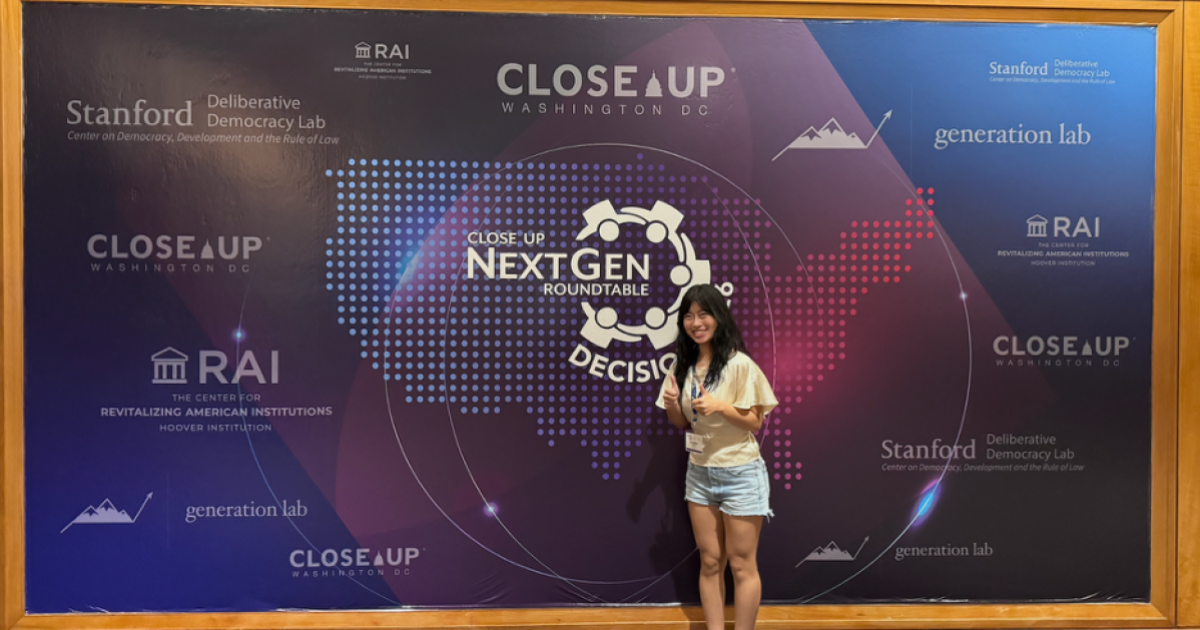
Convened July 8–11 in Washington, DC, the initiative brought together 400 first-time voters selected to reflect the demographic, geographic, and ideological diversity of the nation. Hosted by the Close Up Foundation in partnership with the Stanford Deliberative Democracy Lab, Generation Lab, and the Hoover Institution’s Center for Revitalizing American Institutions, the program challenged participants to deliberate—not debate—some of the nation’s most pressing policy questions ahead of the 2026 midterm elections.
Building on the success of America in One Room: The Youth Vote, the eventreflects a growing body of evidence that structured deliberation can strengthen civic knowledge, reduce polarization, and increase trust across differences. Rather than rewarding the loudest voices or encouraging partisan point scoring, the program had participants spend four days listening carefully, weighing competing arguments, consulting experts, and working through difficult issues in small, moderated groups. Topics included artificial intelligence, immigration, America’s role in the world, democracy, and elections.
Mia Charity, president of the Close Up Foundation, captured the significance of the event: “At a time when so much of our public discourse is centered on division, these young people demonstrated that the future of our democracy can look different. When we provide opportunities for young people to engage and deliberate across differences, they build the habits of citizenship that strengthen our country.”
What made the gathering particularly remarkable was not only the diversity of the participants but also the personal transformations many described afterward.
For Brock Pyle of Missouri, the experience challenged assumptions he had formed about people with different political beliefs. He reflected that meaningful conversations became possible when participants approached one another with humility and curiosity rather than a desire to win an argument. Vienna Dschung of Massachusetts emphasized how the deliberative format encouraged participants to move beyond stereotypes. By slowing down the conversation and examining evidence together, she found herself appreciating viewpoints she had rarely encountered in her own community.